NSW
The Bundian Way
Targangal (Kosciuszko) to Bilgalera (Eden)
RegisteredFirst NationsWalking265 kmMulti day
A pathway walked for thousands of years, joining the highest point of the continent to the sea. Along the Bundian Way, peoples of the high country and the coast travelled between the summer bogong moth gatherings in the Alps and the whale seasons of Twofold Bay, trading, teaching and keeping kinship alive across the Monaro. In 2013 it became the first Aboriginal pathway listed on the NSW State Heritage Register, championed by the Eden Local Aboriginal Land Council.
Why it belongs: the oldest kind of Australian journey, honoured under First Nations custodianship at national scale.
View this trail →
WA
The Golden Pipeline
Mundaring Weir to Kalgoorlie
RegisteredEngineeringDriving550 km3 days
C. Y. O’Connor’s goldfields water scheme, opened in 1903, pushed fresh water 550 kilometres uphill from the Perth hills to the driest goldfields on earth, and is still running. The heritage trail that follows it, created by the National Trust of Western Australia, threads pump stations, wheatbelt towns and the scheme now honoured on the National Heritage List.
Why it belongs: a National Trust made trail already in the family, proving the model of drive, stop, learn and spend in the regions.
View this trail →
VIC
Goldfields Story Trail
Ballarat to Bendigo, through Castlemaine and Maldon
RegisteredGold rushDrivingCycling1 to 3 days
The richest alluvial goldfields the world has known remade Australia in a decade. Eureka and the ballot, boom architecture, and migration from every continent, including the largest Chinese communities of the era. The route links Sovereign Hill, Trust properties and intact streetscapes across a region now pursuing UNESCO World Heritage recognition.
Why it belongs: the proposed pilot’s heart, where heritage visitation already works and a national mark multiplies it.
View this trail →
TAS
The Heritage Highway
Hobart to Launceston through the Midlands
RegisteredConvict eraDriving170 km1 to 2 days
Australia’s most complete colonial road, surveyed in 1821 and built by convict gangs whose bridges and garrison towns still stand. Oatlands, Ross and Campbell Town hold the country’s densest Georgian streetscapes, and the route joins UNESCO listed convict sites at Woolmers and Brickendon. A national trail here turns a two hour drive into a two day journey through the founding decades.
Why it belongs: the convict story, told where it happened, on a route every visitor to Tasmania already crosses.
View this trail →
SA
Burra and the Copper Country
Burra State Heritage Area, Mid North South Australia
RegisteredIndustrialWalkingCyclingRail trail
The Monster Mine at Burra paid for South Australia and drew Cornish miners in their thousands; their cottages, chimneys and chapels survive in one of the most intact mining landscapes anywhere. Recognised on the National Heritage List and already piloting the Trust’s SA heritage app, Burra links town walks, the mine site and rail trail cycling into a single register ready experience.
Why it belongs: the proof of concept, where the register’s digital tools meet a community that has kept its heritage whole.
View this trail →
NT
Jatbula Trail
Nitmiluk (Katherine) Gorge to Leliyn (Edith Falls)
RegisteredFirst NationsWalking62 km5 days
A five day walk through Nitmiluk National Park along a Songline walked by generations of Jawoyn people, tracing the western edge of the Arnhem Land escarpment from Nitmiluk (Katherine) Gorge to Leliyn (Edith Falls). Each day ends at water, with falls tumbling over sandstone cliffs into forest creeks, and near 17 Mile Falls a sheltered amphitheatre holds galleries of Jawoyn rock art. The trail bears the name of Peter Jatbula, a Jawoyn elder instrumental in the land claim that returned Nitmiluk to its people.
Why it belongs: the register’s first territory trail, a living Songline on Jawoyn country joining gorge, escarpment and falls.
View this trail →
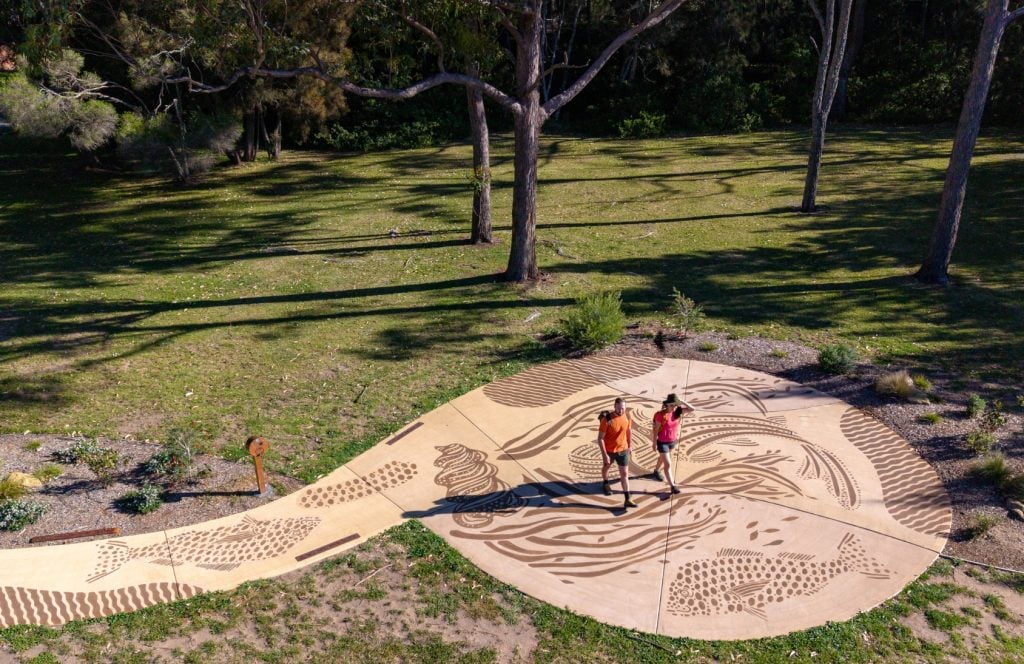 Mural by Natalie Bateman. Photograph by Mark Watson
NSW
Munjip Trail
Observation Point, Batehaven to McKenzies Beach, Malua Bay
RegisteredFirst NationsWalking15 km1 day
Winner of the Interpretation Award at the 2026 National Trust Heritage Awards, the Munjip Trail follows the Eurobodalla coast from Observation Point at Batehaven south to McKenzies Beach near Malua Bay, created with the Walbunja People, its traditional custodians. Munjip means “walking together, let’s go” in the Dhurga language, and the trail carries that meaning in public art, language markers and audio stories woven through headlands, beaches and rock platforms with sweeping views of the Far South Coast.
Why it belongs: a trail built with its custodians from the first step, and a model for how every registered story should be told.
View this trail →
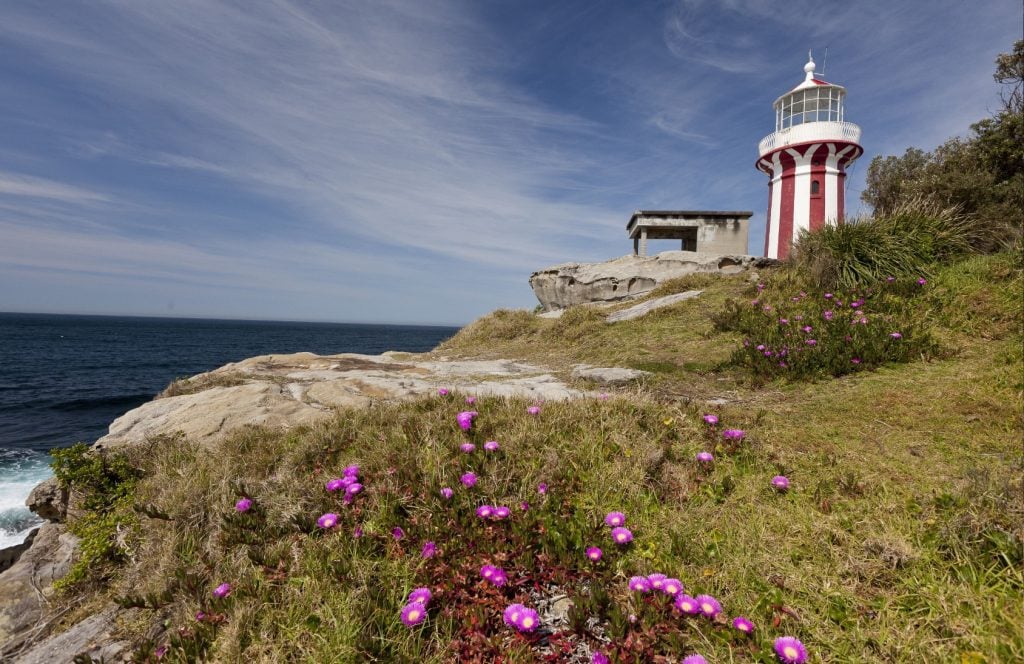 Hornby Lighthouse. Image courtesy of Destination NSW
NSW
Bondi to Manly Walk
Bondi Beach to Manly Beach, around Sydney Harbour
RegisteredMaritimeWalking80 km2 to 7 days
Eighty kilometres of coast and harbour foreshore between Australia’s two most famous beaches, tracing the maritime, military and cultural history of Sydney. From Macquarie Lighthouse and the red and white striped Hornby Lighthouse at South Head, the walk rounds the harbour past the Opera House and Harbour Bridge to the former Quarantine Station at North Head, where 32 sandstone inscriptions carved by arriving migrants, newly conserved, won the Objects award at the 2026 National Trust Heritage Awards.
Why it belongs: the harbour city told from its shoreline, where Aboriginal country, colony and migration meet in one continuous walk.
View this trail →
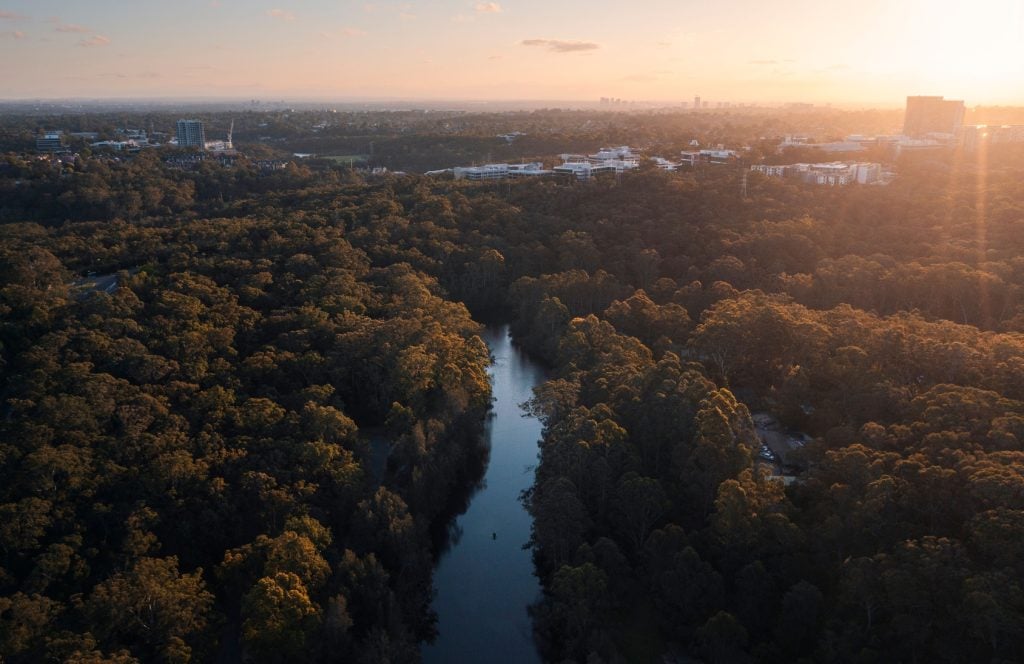 Lane Cove National Park. Image courtesy of Destination NSW
NSW
Great North Walk
Macquarie Place, Sydney to Newcastle
RegisteredBicentenaryWalking250 km16 days
Created in 1988 for the Bicentenary, the Great North Walk runs 250 kilometres from the obelisk at Macquarie Place, the original zero mile marker for the roads of New South Wales, to the Hunter and Newcastle. It begins with a ferry across the harbour to the historic streets of Woolwich and Hunters Hill, then leaves the city for sandstone valleys, mangrove creeks, eucalypt forest and Aboriginal rock engravings, with easy one day sections at one end and sixteen days of serious walking for those who take it whole.
Why it belongs: the great Australian journey in miniature, from a colonial milestone to wild country, walkable one day at a time.
View this trail →
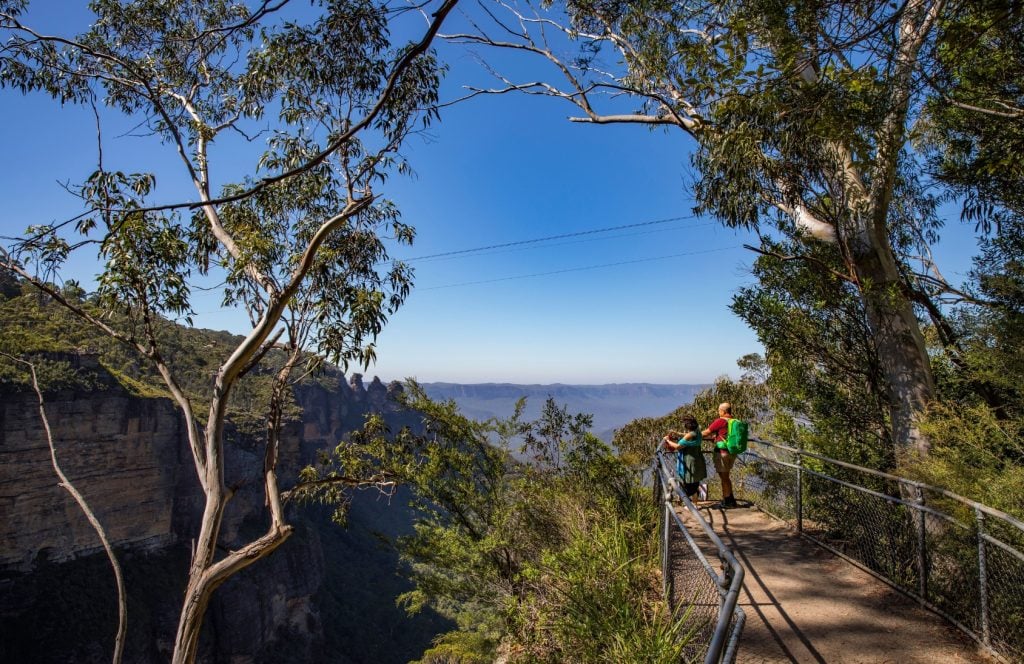 The Three Sisters from the Furber Steps. Image courtesy of Destination NSW
NSW
Great West Walk
Parramatta to Katoomba
RegisteredColonialWalking140 km6 to 9 days
From Centenary Square in Parramatta to Katoomba station, 140 kilometres across the Cumberland Plain and a thousand metres up into the Blue Mountains, opened to Penrith in 2019 and extended to the mountains in 2022. The walk passes Old Government House in Parramatta Park, protected Cumberland Plain woodland and the river systems of western Sydney, then climbs past Woodford Academy, the oldest complex of colonial buildings in the mountains, to the cliff walks above the Jamison Valley and the Three Sisters.
Why it belongs: two National Trust places joined by one walk, from the colony’s first government house to the mountains it took a generation to cross.
View this trail →
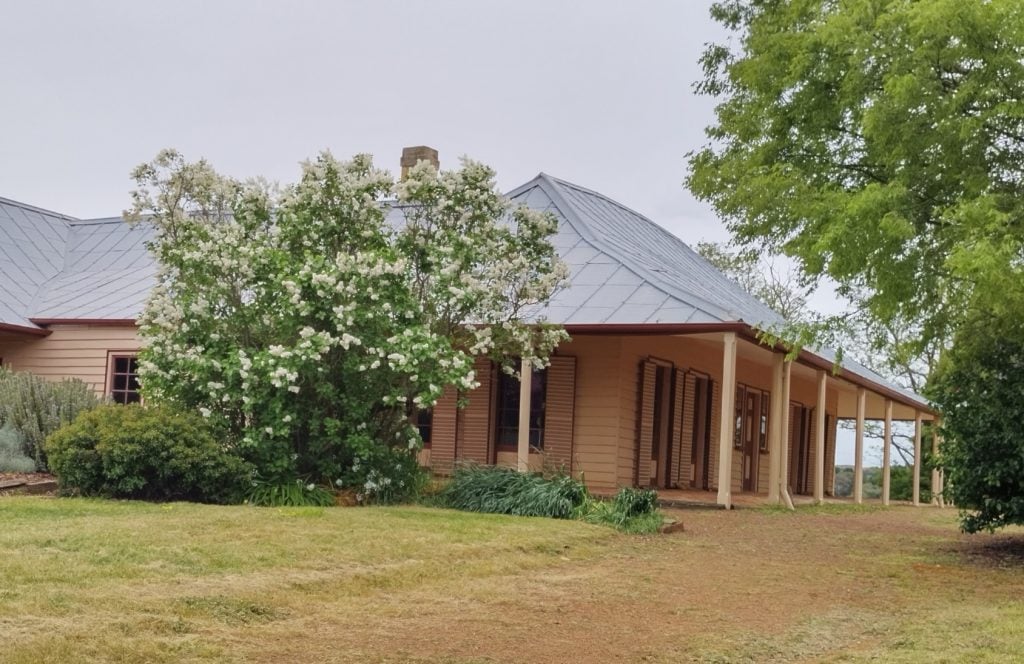 Cooma Cottage, Yass. Image supplied
NSW
Hume and Hovell Track
Cooma Cottage, Yass to Albury
RegisteredExplorationWalking426 km18 to 26 days
The 426 kilometre track begins at the National Trust’s Cooma Cottage outside Yass, home of the explorer Hamilton Hume, and follows as closely as it can the route Hume and William Hovell took toward Port Phillip in 1824, finishing at the Hovell Tree on the Murray at Albury. Eighteen to twenty six days of walking take in Lake Burrinjuck, crossed by boat, the forests and wetlands of the high country foothills and the river, with an easy graded first section of 72 kilometres to the Fitzpatrick Trackhead for a long weekend.
Why it belongs: an overland expedition retraced on foot from a Trust doorstep, with the convict servants who walked it named along the way.
View this trail →
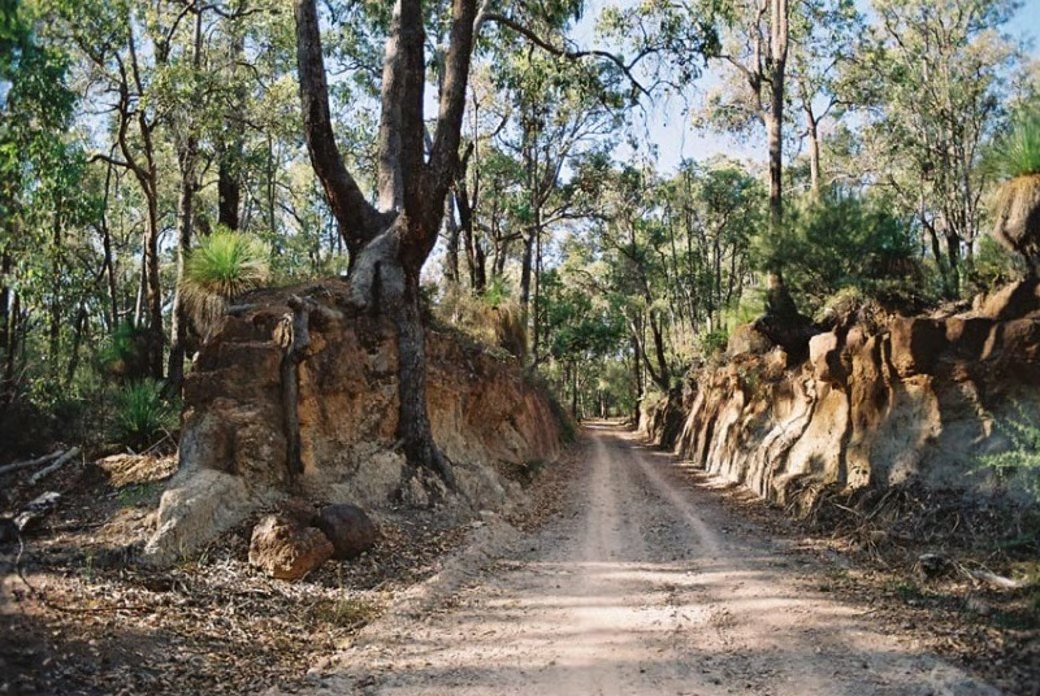 The old railway formation in the Perth Hills. Image courtesy of Trails WA
WA
Kep Track
Mundaring Weir to Northam
RegisteredRail trailWalkingCycling75 km1 to 4 days
Seventy five kilometres of old railway formation from Mundaring Weir in the Perth Hills to Northam on the Avon River, on Whadjuk and Ballardong Noongar Country. A National Trust of Western Australia project, the Kep Track takes its name from the Noongar word for water and follows the first stretch of C. Y. O’Connor’s Goldfields pipeline along the route of the original Eastern Railway, through jarrah forest, railway cuttings and the small towns the line made, Sawyers Valley, Mount Helena, Chidlow, Wooroloo, Wundowie, Bakers Hill and Clackline. Ride it in a long day, walk it in three or four, or take it a town at a time.
Why it belongs: the pipeline, the railway and the water that named it, one corridor carrying three of the West’s founding stories, open to walkers, cyclists and riders alike.
View this trail →
